Sorted:

ProofofTimeyFiling

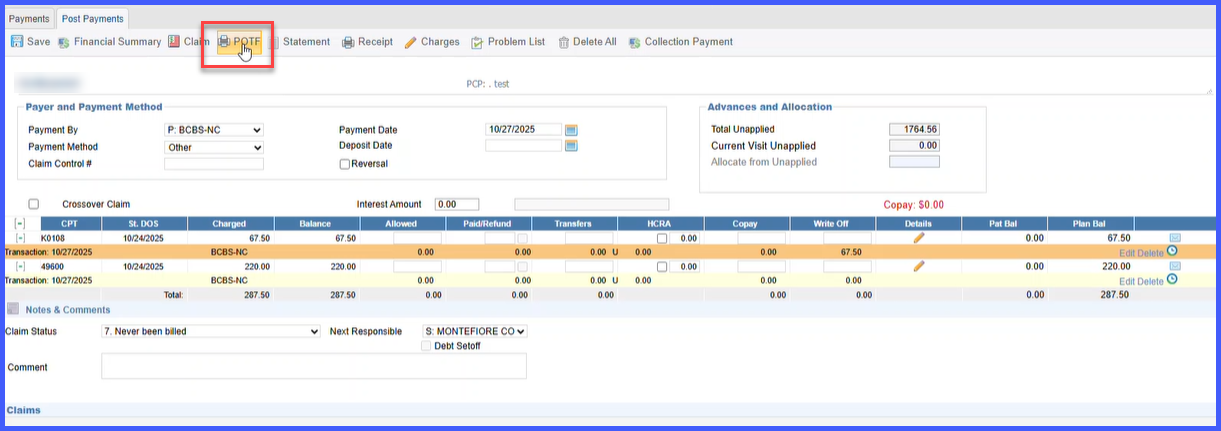
Generate Proof of Timely Filing (POTF) from Payment Screen for Denied or Rejected Claims

This enhancement enables billing users to generate a Proof of Timely Filing (POTF) directly from the Add/Edit Payment screen for claims that were either denied or rejected due to timely filing. This ensures that users can promptly produce the required documentation to accompany resubmitted paper claims, even when no payment or EOB exists in the system.
SDOHGoal7

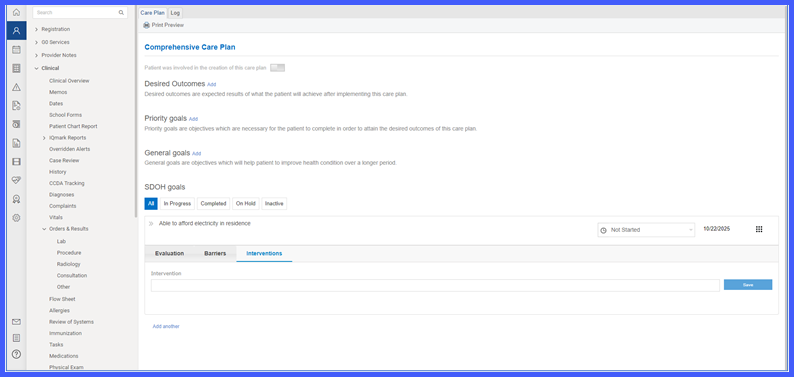
Social Determinants of Health (SDOH) Goals in Care Plan

This enhancement enables clinicians to document and manage Social Determinants of Health (SDOH) goals alongside General and Priority goals. It introduces structured goal entry, progress tracking, and management of barriers and interventions. SDOH goals are now available in both Clinical > Care Plan and Provider Note > Care Plan, with the Provider Note (SOAP) output displaying SDOH goals consistently with Desired Outcomes, Priority Goals, and General Goals.

Add-option

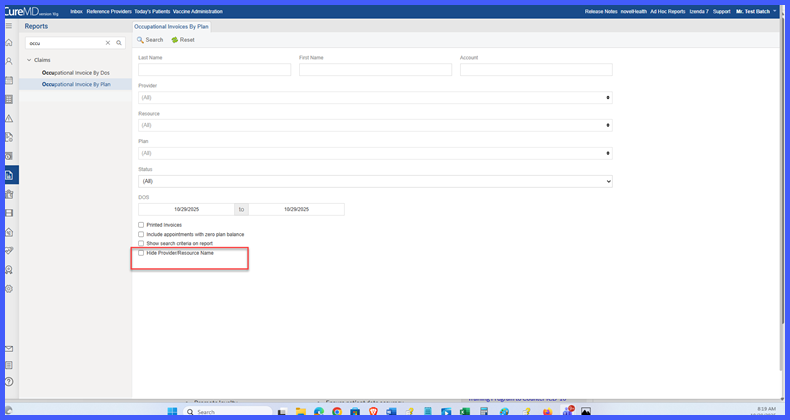
Add Option to Hide Provider/Resource Name in Occupational Invoice Reports

With this enhancement in CureMD reporting, users can now choose to hide the Provider/Resource Name column in the Occupational Invoice by DOS and Occupational Invoice by Plan reports.
This update allows report users to generate simplified versions of the reports when provider-level detail is not required, ensuring cleaner output and greater flexibility in presentation.

DUF-for-Flags1

Dual Unit Formatting for Vitals Flags in Note Templates

This enhancement standardizes the display of height and weight across both SOAP Vitals and Note Templates, showing measurements in dual units (primary and secondary). The display automatically aligns with the site’s configured unit preference (e.g., metric or imperial), ensuring consistent and accurate documentation across the UI, PDF, and printed outputs—without changing how data is stored in the system.

HGBHCT

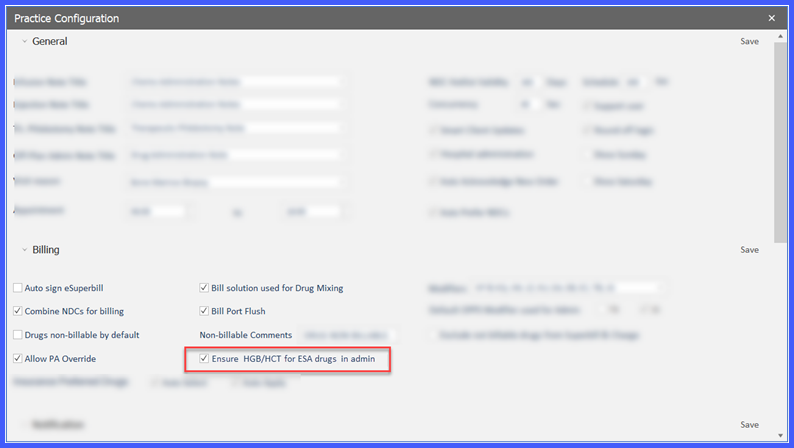
Practice Configuration to Enforce HGB/HCT Capture for ESA Drug Administration

This enhancement introduces a new Practice Configuration that allows practices to enforce the capture of Hemoglobin (HGB) and Hematocrit (HCT) values when administering Erythropoiesis-Stimulating Agent (ESA) drugs. When enabled, the system requires users to select the latest HGB and HCT results before proceeding with drug administration, ensuring compliance with billing, documentation, and clinical safety standards.

AttachInsurance

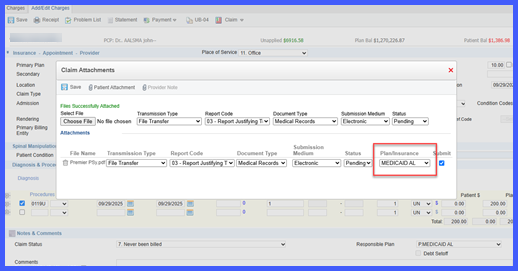
Associate Claim Attachments with Specific Insurance Plan

This enhancement allows billing users to explicitly associate each claim attachment with a selected insurance plan. Previously, attachments were automatically linked to the primary plan and could be sent incorrectly when liability shifted. With this update, attachments are now tied to the correct payer, preventing denials and ensuring clean, accurate claim submissions.

PhysicalExamName

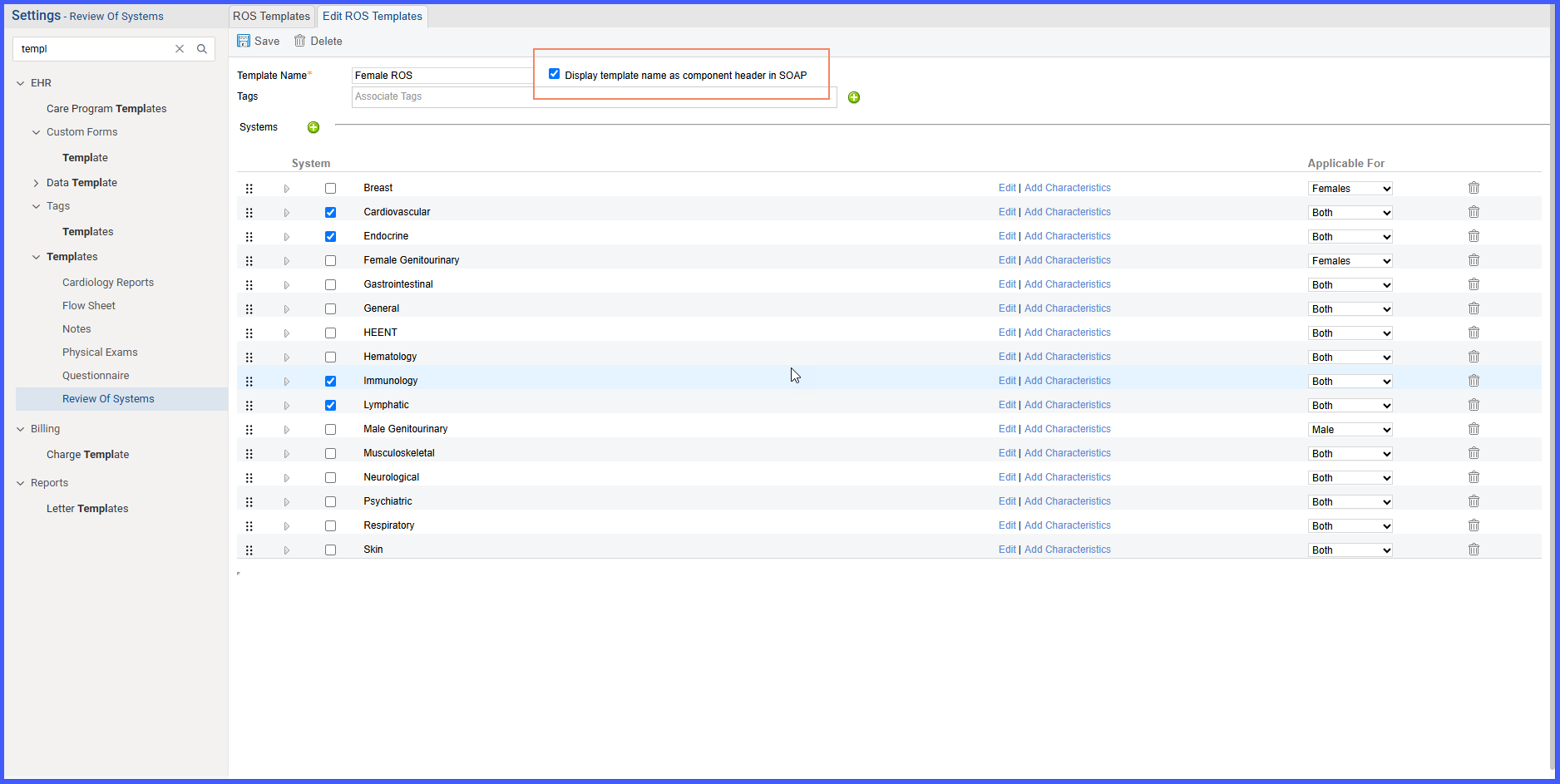
Physical Exam template names override “Physical Exam” subheading in provider notes

With this enhancement in the CureMD application, the user sees the Physical Exam template name displayed as the subheading in place of “Physical Exam” when a customized Physical Exam template is applied. This provides a more accurate reflection of the clinical content added to the note.

PlanSpecificRendering

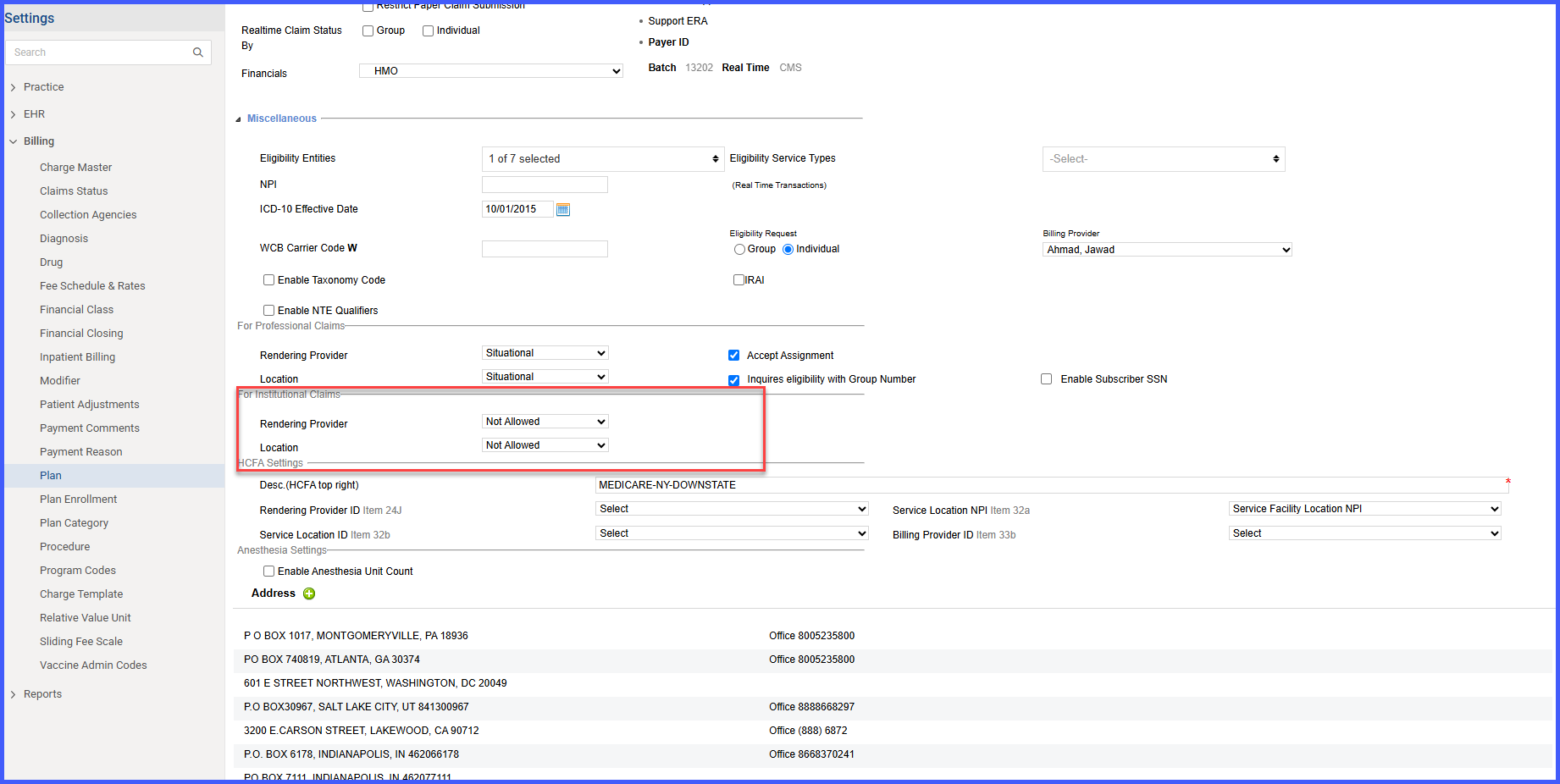
Apply Plan-Specific Rendering Provider & Location Rules to Institutional EDI Claims

This enhancement updates the Institutional EDI claim generation process in CureMD to respect plan-specific rules for Rendering Provider and Location. Claims are now formatted according to payer requirements, reducing the risk of rejections and manual edits.

Rel12-13

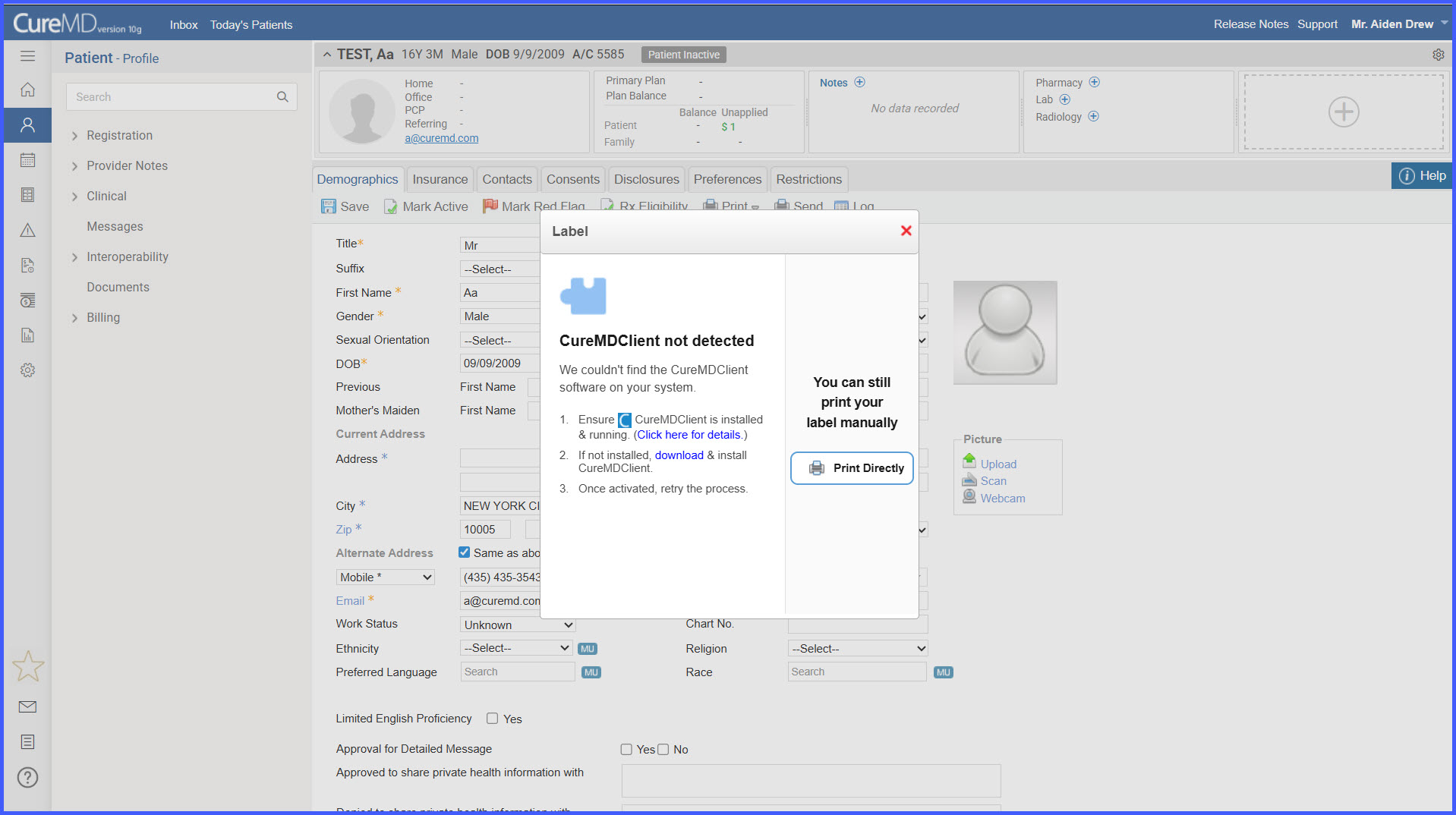
Print Labels Without Installing CureMD Client Utility

This enhancement provides a fallback option for label printing when the Cure Client software is not installed or running. Users can now manually generate labels, ensuring that patient workflows continue without interruption.

SharedAccessCalendar

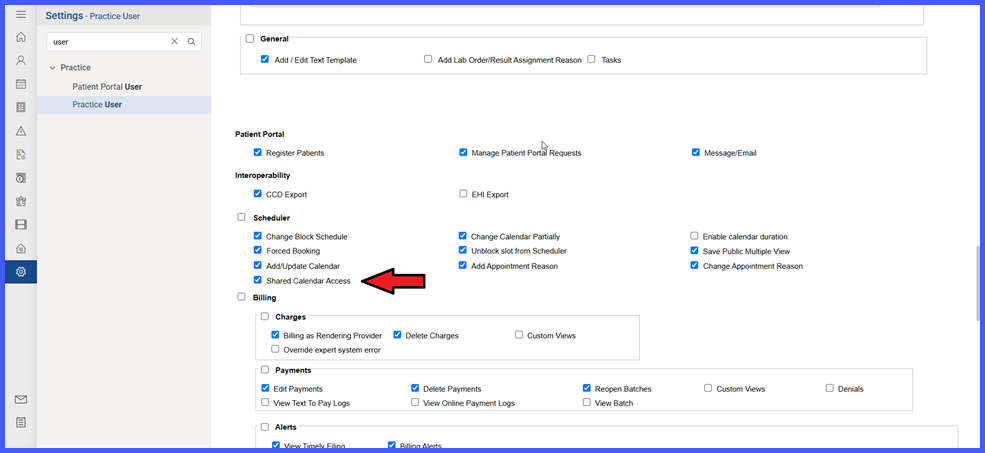
Calendar Access Permission for Linked Providers

This enhancement introduces a configurable Shared Calendar Access permission that refines control over provider calendar visibility in CureMD. Administrators can determine whether users can view all provider calendars across their assigned location(s) or only the providers explicitly linked in their user profile. These rules are applied consistently across all calendar views and related scheduling modules to ensure predictable and secure access.